Trinidad and Tobago's law criminalising consensual sexual relations between male same-sex couples has been overturned by a UK court.
It comes after a legal challenge by a gay man who said the Caribbean nation's laws breached his human rights.
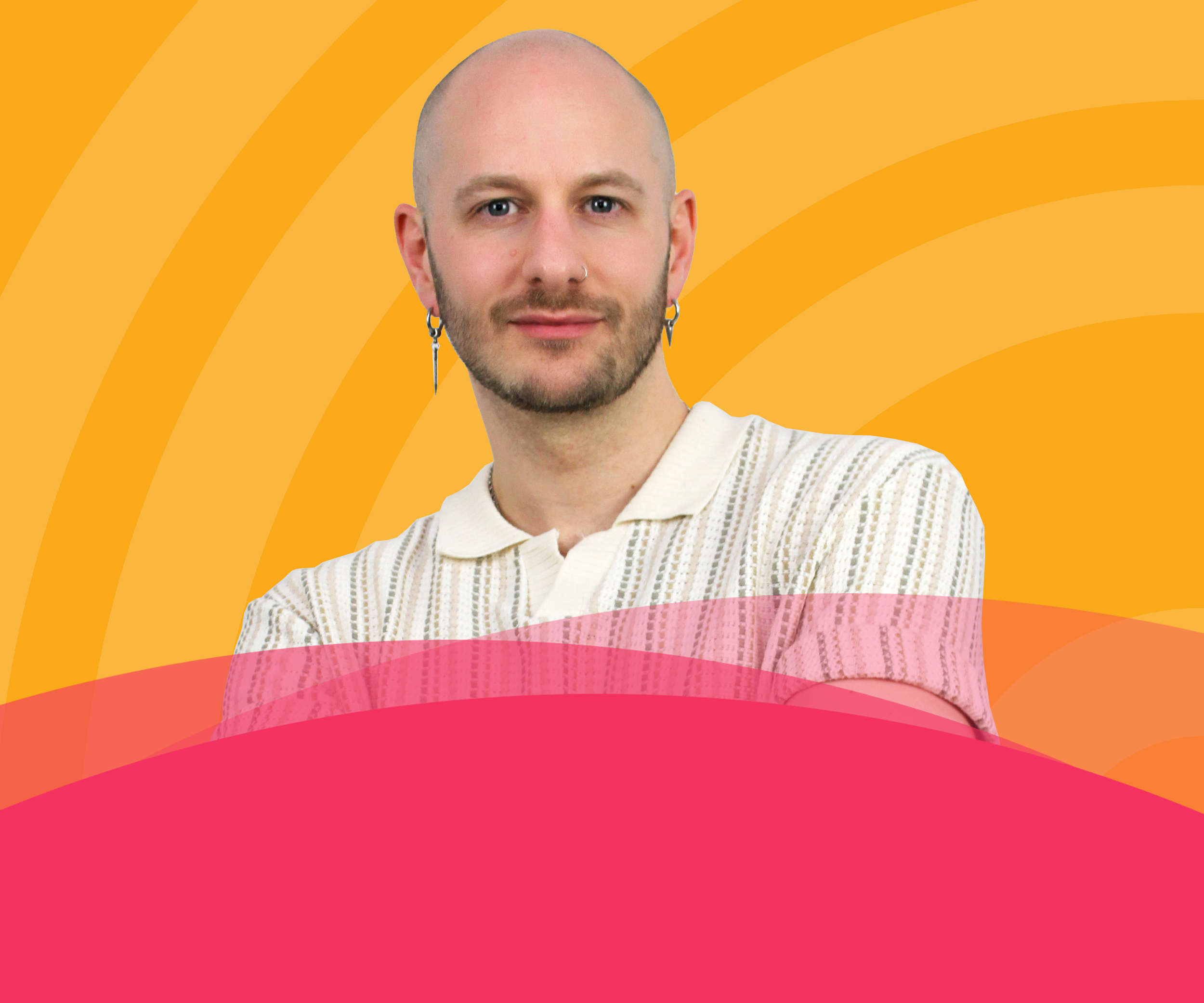
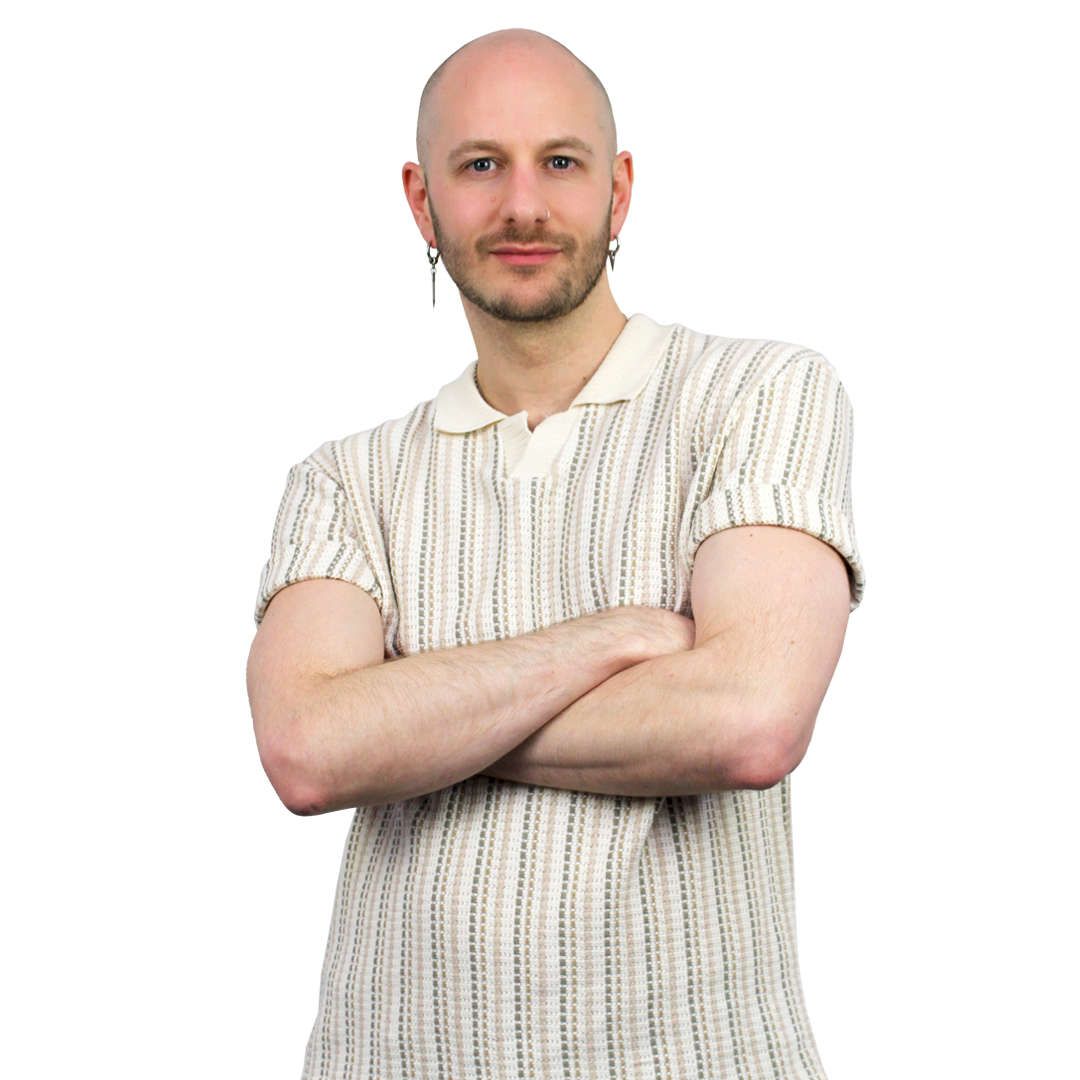
Jason Jones, who was born in Trinidad and Tobago, challenged the nation's Sexual Offences Act as breaching his fundamental rights under the country's constitution.
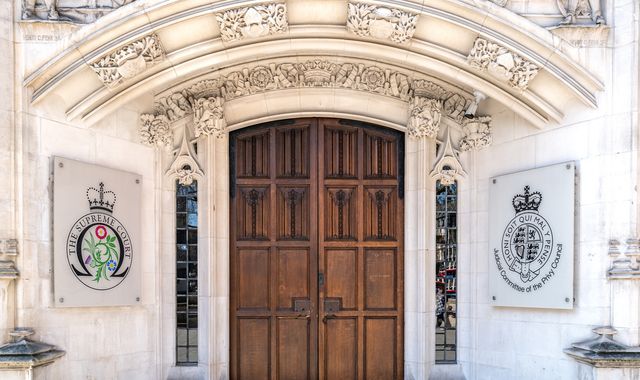
He initially won his case at Trinidad and Tobago's High Court in 2018, but that ruling was overturned, prompting Mr Jones to go to London's Privy Council, the final court of appeal for Trinidad and Tobago.
The Privy Council ruled that Trinidad and Tobago's law was unconstitutional.
Mr Jones, who now lives in Britain, welcomed the ruling but he added it did not address wider issues of "human rights and equality for LGBTQ+ people which have been denied using British colonial era laws across the Commonwealth and beyond".
The ruling brought to a close an almost 10-year battle for gay rights in the twin-island Commonwealth nation and cannot be appealed.
Judge Philip Sales said as he announced the court's ruling that "the current understanding of the fundamental individual right to respect for private and family life is that it protects such a core part of human identity as one's sexual orientation".
"Laws which seek to criminalise such activities cannot be justified," the judge added.
The case was filed in February 2017 by Mr Jones, who has fought for gay rights in Trinidad and Tobago for nearly a decade, and has wound its way through several courts.
Mr Jones left Trinidad and Tobago in 1996 because of what he described as homophobic violence and discrimination.
More from Sky News:
Sophie visits refugee camps on trip to Bangladesh
Is Netanyahu's run as Israeli PM coming to an end?
In April 2018, Trinidad's High Court found the laws unconstitutional, but a local appeals court partially reversed the ruling in March 2025.
Four months later, Trinidad's Court of Appeals allowed Mr Jones to seek a ruling from the final court of appeals in England.
The case has been closely watched by activists across the Caribbean.
Trinidad and Tobago is an independent country but also a republic within the British Commonwealth, so the Privy Council is its final court of appeals.
The nation has pushed for the Trinidad-based Caribbean Court of Justice to replace the Privy Council.
In 1991, the Bahamas decriminalised homosexuality, while the UK government repealed such laws in 2001 in Anguilla, the British Virgin Islands, the Cayman Islands, Montserrat and the Turks and Caicos Islands.
Elsewhere in the Caribbean, judges have recently struck down similar laws in Barbados, Dominica, St. Lucia and Antigua and Barbuda.
Gay sex remains a crime in Grenada, Jamaica, Trinidad and Tobago and St. Vincent and the Grenadines - all former British colonies.

(c) Sky News 2026: UK court overturns Trinidad and Tobago law criminalising homosexual sex
 New information from 'several people' about Russell Brand being assessed by police
 Poundland owner releases £10m to retailer hours before MP grilling
 Sophie visits Rohingya refugee camps on trip to Bangladesh
 Claude maker Anthropic seeks $1.4trn valuation amid worry over AI investment
 Police officer dies and another seriously injured after explosion in northern Spain