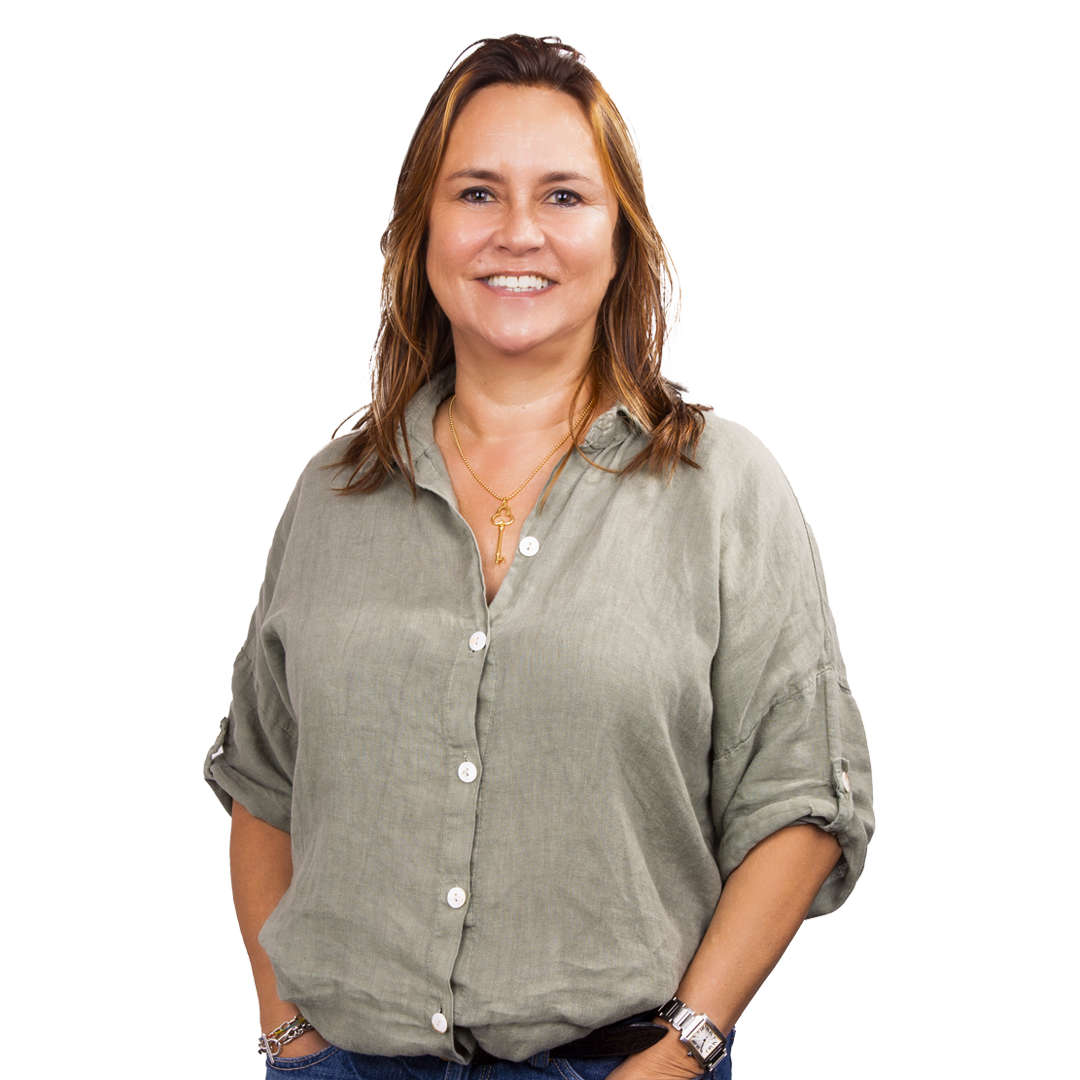
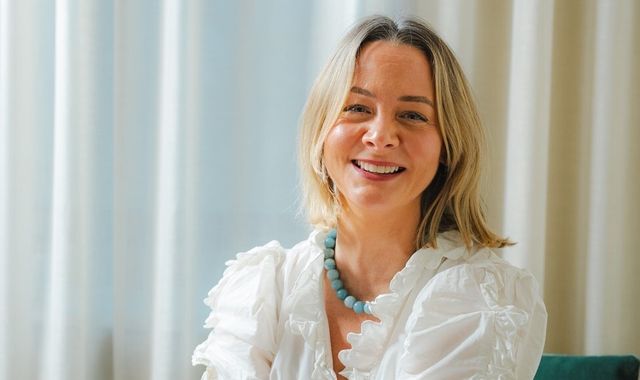
If you've ever spent your morning commute daydreaming about starting afresh with your career, this feature is for you. Each week, we speak to someone from a different profession to discover what it's really like. Today we speak to NHS consultant sleep specialist and president of the British Sleep Society Alanna Hare.
An NHS consultant in sleep medicine earns £110,000 - £150,000... but this varies with years of experience and senior roles.
NHS cuts have hit clinical administration hard... and I now have little to no support with admin work. Sending letters to patients, screening hundreds of emails and other tasks like this take me away from my clinical work far too much. I hate admin.
I start my day examining brain waves... and reviewing patients who have had overnight sleep studies in our sleep labs. I then run clinics throughout the morning, catching up with patients on treatment for sleep disorders, or meeting new patients with symptoms ranging from snoring, through daytime sleepiness, restless legs, insomnia and parasomnia (abnormal behaviours in sleep).
Parasomnias are always the most interesting cases... These are abnormal behaviours which occur in sleep and can be very complex. I had a patient who would eat during the night and have no memory of it in the morning. She would find the kitchen in disarray or packets of food by the bed and that would be the only way she knew she had eaten in her sleep.
Influencers can make your sleep worse... Where do I begin! In general, I really dislike any advice which overcomplicates sleep. Sleep cannot be forced and does not respond well to attempts to control it. So "sleep maxxxing" and any advice on "optimising REM" or other sleep stages is in general completely counterproductive and can in fact lead to worse sleep - a phenomenon we call orthosomnia.
Women with sleep apnoea are often misdiagnosed... They may be told their sleep difficulties are anxiety, or a normal feature of the perimenopause. Sleep apnoea can present quite differently in women: with difficulties staying asleep and fatigue, or night sweats.
Sleep apps can be harmful... I think they have helped raise public awareness about sleep, but they have also contributed to confusion: the data they generate can be helpful for looking at trends and, in some cases, can help identify sleep issues like sleep apnoea. But generating "sleep scores" or presenting data which cannot score sleep stages as showing definitively how much deep or REM sleep you have had can be harmful and increase anxiety about sleep when it is not always warranted.
Patients are often surprised by... how much a regular schedule improves their sleep, as well as avoiding spending time awake in bed. The former helps to regulate our circadian rhythm and the latter helps to ensure our brains and bodies associate the bed with sleep, rather than wakefulness.
Stop your mind racing by... using cognitive distraction or progressive muscle relaxation. For the first, simply try counting backwards from 1,000 in 7s. When you get stuck, start again. I am yet to have a patient get to zero! For the second, focus on sequentially tensing (for about 10-20 seconds) and then relaxing each muscle, starting in your toes and moving all the way up your legs, torso, arms, neck and to your head. This helps physically relax you and also shift your focus from busy thoughts to bodily sensations. Other mindfulness-based strategies can also be helpful.
My top three rules for better sleep are...
- Have some winding down time before bed to switch off from the activities of the day (we call this the "buffer zone");
- Have a regular bedtime and time out of bed on at least five nights per week;
- Avoid excessive lie-ins at weekends too (a short lie-in is fine: up to an hour or 90 minutes).
Only pregnant women need to worry about sleep posture... The biggest mistake people make is making too big a deal of it or trying to follow "rules" on how to sleep. Sleep in a position which is comfortable for you and ensure your mattress and pillows support your spine and head!
Don't follow trends when choosing your bedding... buy the most comfortable and best mattress you can afford. Ensure your pillows support your neck and head in a neutral position. Purchase natural fibres if you can, as they help regulate body temperature more effectively than manmade fibres.
There is some evidence that early morning light exposure... can help with mood and alertness: this can be particularly helpful in the winter months.
Read more from Money:
'I'm a builder - here are three questions to always ask us'
Mortgage broker reveals the hardest to sell property type
'I'm an estate agent - here's why your home isn't selling'
It takes 10-15 minutes to fall asleep... on average (meaning, not every night will look like that!).
Alcohol won't help you sleep well... It is a sedative, so it will make you fall asleep, but it is also a very effective disruptor of sleep, especially REM sleep. Drink in moderation and have at least 3-4 nights without alcohol each week.
The biggest thing I've learned over the last decade in this career is... just how much good and bad sleep can affect people's lives and the lives of those around them. That's why this job can be so rewarding: helping someone understand their sleep and improving the quality of their sleep has an enormous impact on their mental health, their physical health, their relationships and their work; unlocking good sleep frequently unlocks so much more.

(c) Sky News 2026: Sleep doctor on waste-of-money apps and how to stop your mind racing
 Removal of US bombers from RAF Fairford not directly connected to arrests, says Rubio
 Twelve people arrested after anti-migrant protest at seaside town
 Sainsbury's held talks about merger with supermarket rival Morrisons
 Hearing to take place after Andrew Mountbatten-Windsor launches legal action against police over arrest
 Death of girl, 11, being treated as 'unexplained' after body found in Worcestershire park