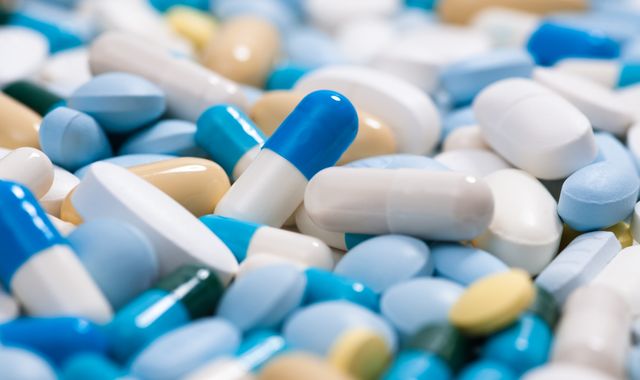
Hundreds of people are being diagnosed with potentially life-threatening antibiotic-resistant infections each week, new figures suggest.
Antimicrobial resistance (AMR) - which occurs when microorganisms such as bacteria and viruses evolve to resist the drugs that combat the infections they cause - increased by 16.8% between 2019 and 2025, according to new data from the UK Health Security Agency (UKHSA).
The increased resistance highlighted in the report is estimated from cases of bacteraemia - a potentially life-threatening infection where bacteria are present in the bloodstream - which are resistant to one or more "critically important antibiotics".
There were 21,129 antibiotic-resistant bacteraemia cases reported in 2025, up from 18,086 in 2019, with officials saying the latest figure is the "equivalent of 406 episodes each week".
Despite the rise in infections, officials said that the pace of the increase has slowed.
The UKHSA said that cases had risen by 3.2% between 2024 and 2025, compared with an increase of 9.3% between 2023 and 2024.
It added that there were 2,318 deaths linked to "resistant Gram-negative bacteraemia" in 2025 - a slight reduction from 2,399 deaths in 2024.
More from Sky News:
Woman in critical condition after being set on fire
Poundland bosses meet to decide firm's future
Dr Shona Arora, interim chief medical adviser at UKHSA, said: "Every week hundreds of people face a new reality of what it means to get an antibiotic-resistant infection, which can increase the risk of serious illness and even death.
"Our most deprived communities and older generations continue to be hit hardest by the effects of antimicrobial resistance, although anyone can be impacted."
Dr Arora said that there were "positive" signs that efforts to promote responsible antibiotic use are having an impact, but warned there were still "significant challenges".
She urged the public to "play their part" to further slow the increase, adding: "Only take antibiotics if you have been told to do so by a healthcare professional. Do not save some for later or share them with friends and family.
"If you have leftover antibiotics, please take them to a pharmacy which can dispose of them appropriately.
"It's also important to take up the vaccinations you are eligible for to help stop infections in the first place."
A report on AMR published in 2016 warned that resistance to the drugs used to fight infections could cause a bigger threat to people than cancer.
The report, by Lord Jim O'Neill, called for urgent action to reduce unnecessary antibiotic use and incentivise pharmaceutical companies to join the search for new treatments.

(c) Sky News 2026: Sharp rise in life-threatening antibiotic-resistant infections
 Two killed in 'devastating' New York building collapse
 Nvidia preparing to oust CEO amid reports of a second affair
 Fiery clashes erupt in Spain as millions join general strike