
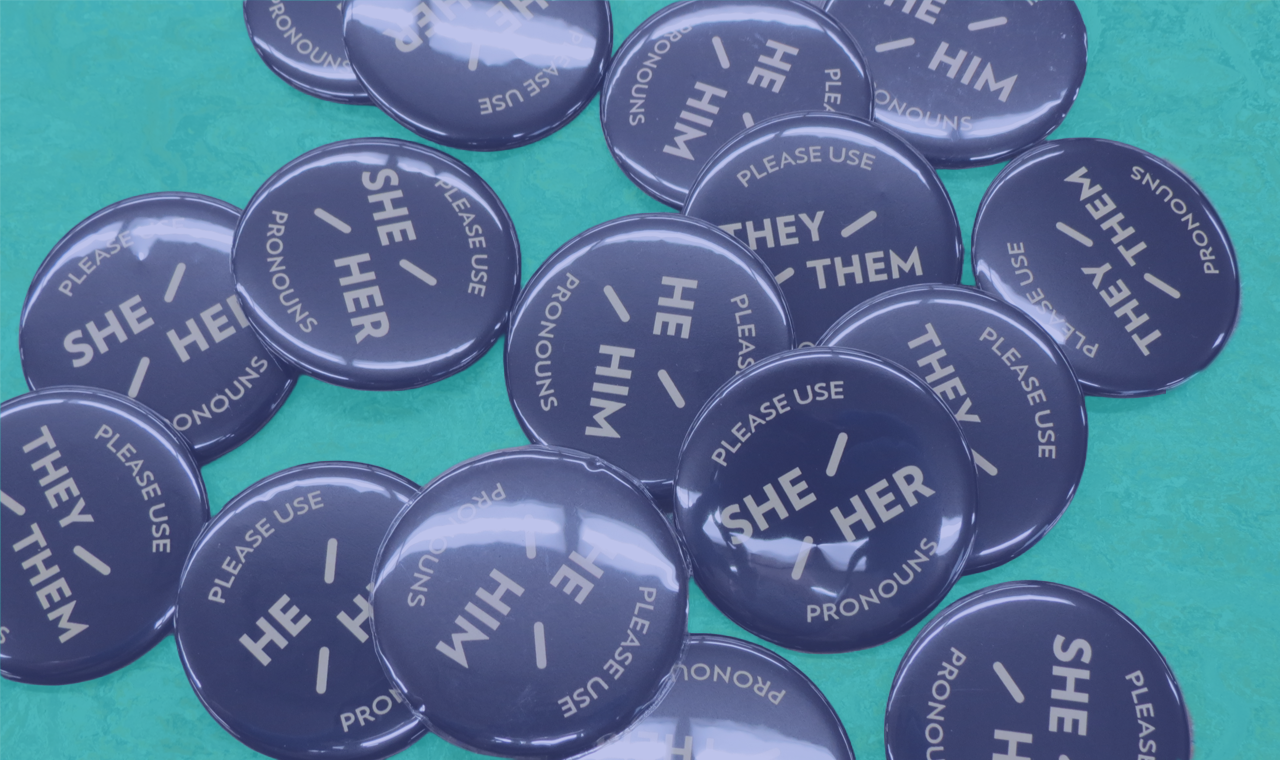
Today (21st October) marks International Pronouns Day! Here's why sharing and respecting pronouns matters, what the research says about misgendering, and one easy thing you can do today.
If you've been on social media or listened to Gaydio this morning, you may have seen that it's International Pronouns Day. But what does that mean, and how can you get involved?
The day was founded in 2018 by LGBTQ+ activist Shige Sakuri (they/them). Its aim is to make respecting, sharing and learning about personal pronouns commonplace. It's held on the third Wednesday of October each year,
For lots of us, being called the right pronouns is a basic bit of human dignity that we take for granted. For many queer people, though, being misgendered (referred to as the wrong gender) is a regular experience. Being misgendered causes immediate distress, anxiety, and a deep sense of invalidation. It particularly affects trans and gender-nonconforming people, which is why Shige wanted to shine a light on it.
The first International Pronouns Day took place on 17 October 2018, with 25 countries taking part. In the US, more than 100 college offices and LGBTQ+ student centres across North America backed it, setting up info booths with pronoun guides, stickers and badges. In the UK, some NHS trusts ran staff education campaigns, stressing that using patients' correct pronouns affects healthcare equity and wellbeing. In Australia, youth organisation Minus18 promoted "The Pronouns Game", an app made by queer young people to help people practise using different pronouns.
So how can you mark it? The easiest first step is to share your pronouns at work, at school or with friends. Trans charity Mermaids found that 61% of UK adults never ask for someone's pronouns when they first meet them. Such a simple step can help other people feel comfortable sharing theirs.
Once you know someone's pronouns, use them - even when the person isn't in the room.
Everyone slips up sometimes. If you do, correct yourself, apologise briefly and carry on with the conversation.
So if you meet someone new today, try leading with your own pronouns. It takes a few seconds and could make someone's day a lot easier.
 Ella Morgan pays touching tribute to Brianna Ghey at Pride of Britain Awards
 Glee is officially coming back as Disney+ and Hulu order a reboot
 Blacktober Fest: Drag Race star, DJs till 3am and a big Black queer party in London
 Liberty X call for credit on new hit song using their vocals
 Is JLo heading to Brighton Pride? Reports say talks are on for 2027
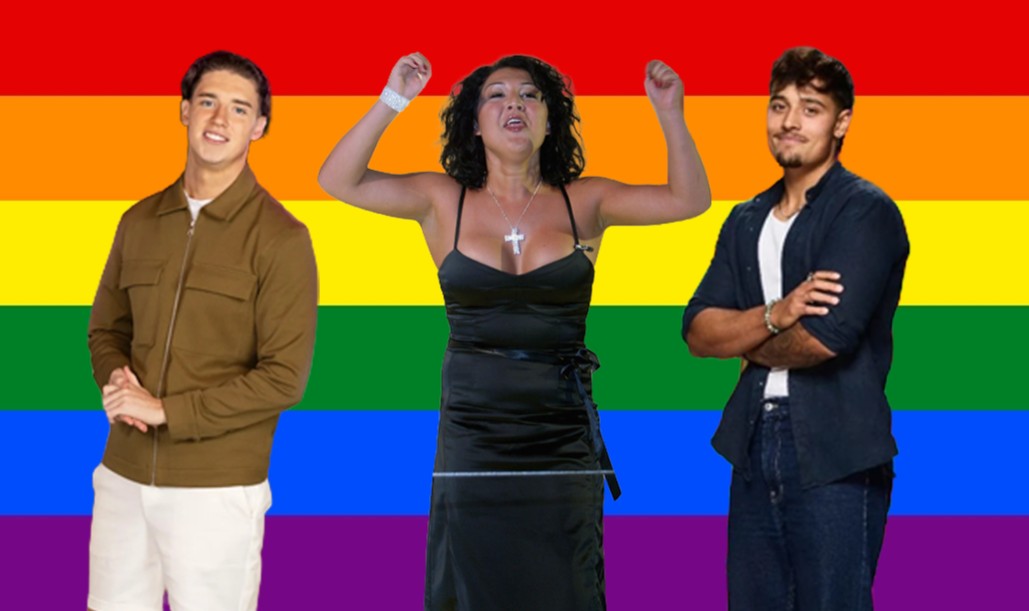 The top 5 queerest moments in Big Brother UK history





Comments
Add a comment