
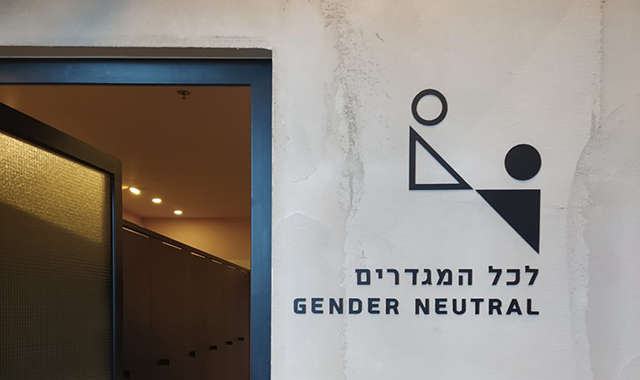
The Good Law Project is challenging new EHRC guidance it says will force businesses to exclude trans people from single-sex spaces or open them to everyone—and could harm cis women too.
A legal charity is supporting a challenge to new government guidance on single-sex spaces, warning it could lead to discrimination against trans people and cisgender women alike.
Speaking to Gaydio's Kriss Herbert on breakfast this morning, Cat MacLean from the Good Law Project said the Equality and Human Rights Commission's new Code of Practice gives businesses and services an impossible choice.
The Good Law Project is a non-profit legal and campaigning organisation founded by barrister Jolyon Maugham.
The Code of Practice was laid before Parliament on 21 May 2026 and is due to come into force on 5 August, applying to businesses, services and associations including pubs, clubs, leisure centres and community groups.
MacLean explained the guidance stems from a Supreme Court judgment in April 2025 that ruled the terms "man", "woman" and "sex" in the Equality Act 2010 refer to biological sex.
"This code essentially gives businesses and associations one of two choices," she said. "You can either become only available for what would be called biological women or cis women, or you have to open up your services to everyone including men."
"You can no longer have a women's group or service or venue that is trans inclusive."
The EHRC guidance states that if a women-only service admits trans women, it may cease to qualify legally as a single-sex service under the Equality Act.
The policy expert went into more detail around how the Good Law Project is supporting trans people and trans-inclusive organisations in order to challenge the Code, which they believe wrongly interprets the law. "The EHRC has basically said that if you're trans-inclusive, you're very likely to be discriminatory, and we think they're wrong about that," she told Gaydio.
She warned the guidance could harm cisgender women too, particularly those who don't conform to traditional feminine appearance.
"If you're a cis woman who has short hair or dresses in a more masculine way, you're way more likely to have someone tapping you on the shoulder and saying, I'm sorry, I think you might be in the wrong bathroom, which is massively inappropriate," McLean said.
She referenced reporting from The Guardian interviewing cisgender women, including butch lesbians and women who've had mastectomies, who've already been challenged in toilets and changing rooms.
The guidance also raises concerns about disabled access, McLean said, as trans people may be directed to use accessible facilities. "It will mean that trans people are going to be treated as like a sort of third sex and will have to use in some cases disabled bathrooms, which are not incredibly available in most places anyway and will have an impact on the disabled community."
The Code is statutory guidance rather than law itself, but McLean said many organisations will follow it to avoid the risk of legal challenge.
She pointed to the impact on LGBTQ+ venues and groups. "A great example is a gay men's choir that has trans men in it and now are going to have to rethink the entirety of how they run their association, which has been absolutely fine for years."
The Good Law Project has launched a campaign asking people to contact Prime Minister Andy Burnham to oppose the guidance.
More information is available at www.goodlawproject.org and on the organisation's Instagram.
To hear the interview in full listen back to Gaydio Breakfast with Kriss Herbert on Replay
Instagram post
 The top 5 queerest moments in Big Brother UK history
 Cheryl and Kelly Rowland surprise Manchester gay bar with impromptu performance
 Big Brother housemate Frankie comes out as bisexual in tearful Diary Room confession
 Turkish police arrest dozens in raids on gay bars and LGBTQ+ activists' homes
 The gay rugby hero who saved lives on 9/11 — and became a global sporting legacy
 Liverpool's Pride announces 2027 date and new community-led approach






Comments
Add a comment