
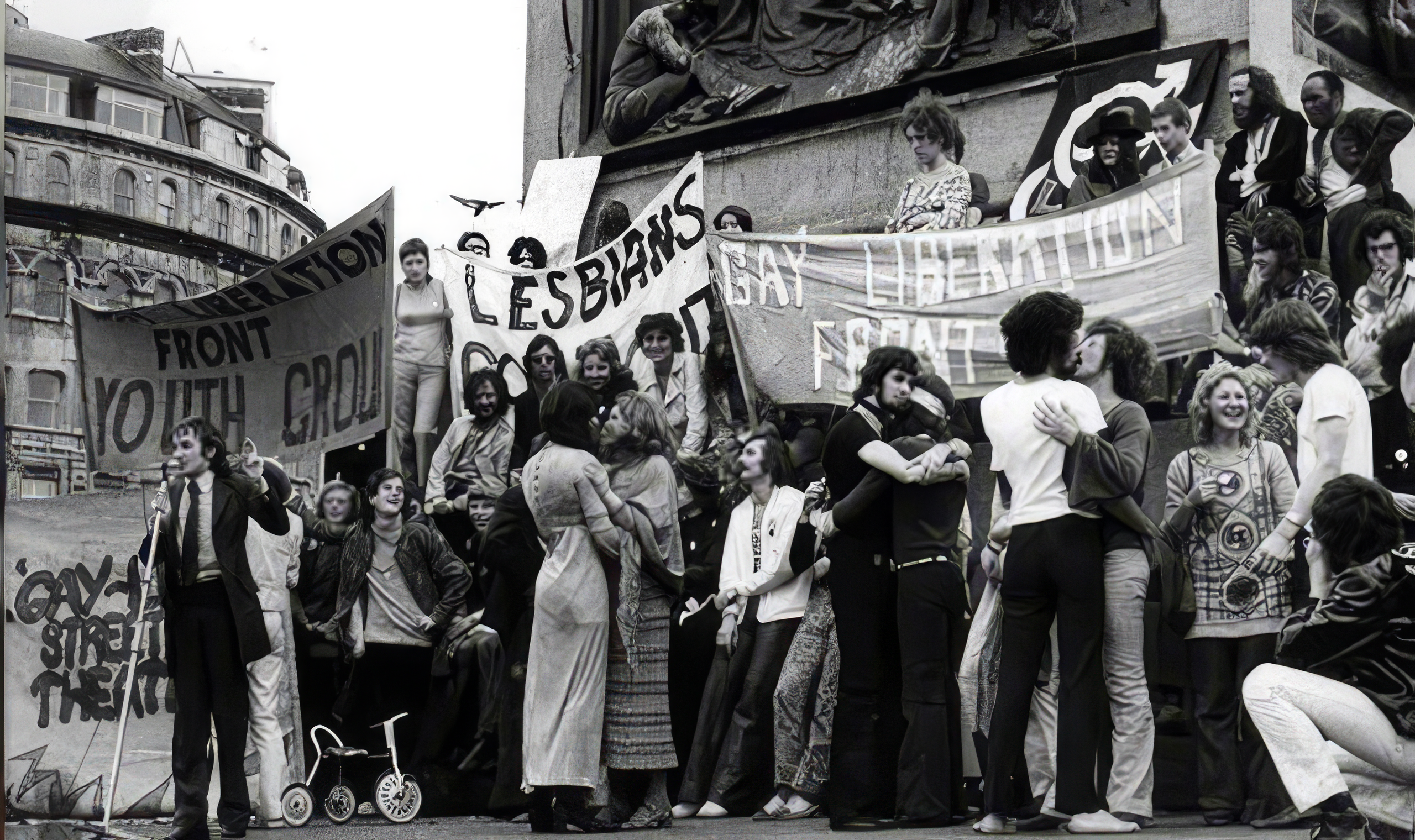
July 27 marks 59 years since the Sexual Offences Act 1967 received Royal Assent, partially decriminalising sex between men in England and Wales.
The law was a landmark moment in LGBTQ+ history, but its protections were limited. It applied only to consensual sex between two men in private, and only if both were aged 21 or over.
At the time, the age of consent for heterosexual sex was already 16, meaning gay and bisexual men still faced five more years of criminalisation.
The Act also applied only in England and Wales. It did not cover Scotland, Northern Ireland, the Merchant Navy or the Armed Forces. Similar reforms were not introduced in Scotland until 1980, and in Northern Ireland until 1982.
Its strict definition of “in private” also left men vulnerable to prosecution. Sex was not considered private if more than two people took part or were present, or if it happened in a public place.
The Bill was introduced by Labour MP Leo Abse in the House of Commons and Conservative peer Lord Arran in the House of Lords. After an intense night of debate, it passed its third reading by 101 votes to 16.
The legislation followed the 1957 Wolfenden Report, which had recommended that private consensual acts between adults should no longer be criminal offences.
The Act was a major step forward, but it was not equality. For many LGBTQ+ people across the UK, full legal recognition remained decades away.
 Turkish police arrest dozens in raids on gay bars and LGBTQ+ activists' homes
 The gay rugby hero who saved lives on 9/11 — and became a global sporting legacy
 Liverpool's Pride announces 2027 date and new community-led approach
 Drag Race Down Under vs The World S1 winner revealed
 RuPaul's Drag Race UK axed by BBC!
 Inside La Bola Negra: The already viral, award-winning ‘queer epic’ directed by two iconic Drag Race judges









Comments
Add a comment